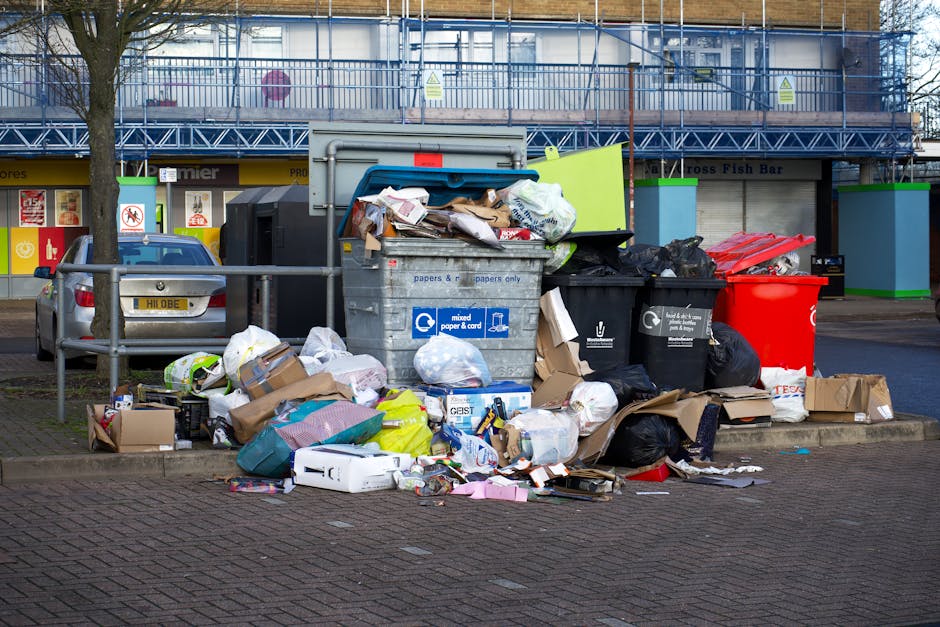
Fast rubbish clearance for flats on Victoria Street SW1
If you live in a flat on Victoria Street SW1, rubbish has a way of becoming urgent at the worst possible moment. One day it is a bag or two; the next, it is a hallway blocked by an old chair, broken packaging, a mattress that will not fit in the lift, and a landlord or letting agent asking for the place to be cleared today. Fast rubbish clearance for flats on Victoria Street SW1 is about more than speed. It is about getting rid of clutter safely, discreetly, and without turning a busy London day into a stairwell drama.
In this guide, you will find a clear explanation of how rapid flat clearance works, what to expect, where the common headaches are, and how to avoid the mistakes that slow everything down. We will also cover practical planning tips, local considerations, and the best way to choose the right service when you need the job done properly, not just quickly. Truth be told, speed matters - but so does not damaging the communal entrance on the way out.
Table of Contents
- Why Fast rubbish clearance for flats on Victoria Street SW1 Matters
- How Fast rubbish clearance for flats on Victoria Street SW1 Works
- Key Benefits and Practical Advantages
- Who This Is For and When It Makes Sense
- Step-by-Step Guidance
- Expert Tips for Better Results
- Common Mistakes to Avoid
- Tools, Resources and Recommendations
- Law, Compliance, Standards, or Best Practice
- Options, Methods, or Comparison Table
- Case Study or Real-World Example
- Practical Checklist
- Conclusion
- Frequently Asked Questions
Why Fast rubbish clearance for flats on Victoria Street SW1 Matters
Victoria Street is not the kind of place where rubbish can linger unnoticed for long. Flats here often sit within shared buildings, busy residential blocks, converted properties, or managed apartments with tight access and neighbours nearby. That means even a small pile of waste can quickly become inconvenient, unsightly, and awkward. A sofa left in the wrong place, for example, can stop the lift door from closing cleanly or make a narrow landing feel even smaller.
Fast flat rubbish clearance matters because it protects three things at once: your time, your building, and your peace of mind. When waste is removed quickly, you avoid complaints, reduce the risk of pest issues, and make the flat usable again sooner. This is especially useful after a move, a refurbishment, an end-of-tenancy clean-out, or a sudden clear-out after a change in circumstances. Nobody wants to spend a Saturday morning playing Tetris with old furniture in a staircase. Been there, regretted that.
There is also a practical financial angle. Delays can cause missed handover dates, rental penalties, or extra cleaning work. If you are selling, letting, or returning a property to a landlord, being able to show that the flat has been cleared efficiently can make the process feel much smoother. A simple rubbish collection is not glamorous, but it can save a lot of stress.
How Fast rubbish clearance for flats on Victoria Street SW1 Works
At its best, fast rubbish clearance follows a straightforward process. It starts with a quick assessment of what needs removing, how much there is, and how easy it will be to access. Flats are rarely like houses. Access routes matter more, and time can be lost if items need to be carried down stairs one by one or booked through a loading bay at the wrong time.
In practice, a fast clearance usually includes:
- a short description of the rubbish or unwanted items
- an estimate of volume or number of rooms affected
- confirmation of access details such as lift use, stair access, and parking
- a planned arrival window
- collection, loading, and responsible disposal
For many flat clearances, speed comes from preparation as much as manpower. If items are grouped together, walkways are kept clear, and the team knows about any restrictions in advance, the whole job moves far more smoothly. A good service will also think about what can be separated for recycling and what should be treated as general waste. That part is often invisible to the customer, but it matters.
If the clearance includes bulky items, mixed waste, or household furniture, the job may overlap with flat clearance, furniture clearance, or broader waste removal depending on what needs to go. In real life, these jobs often blend together rather than staying neatly in separate boxes.
Key Benefits and Practical Advantages
The obvious benefit is speed. But the better services bring a few more advantages that people often appreciate only after the job is done.
- Less disruption: A fast, organised clearance keeps the building calm and reduces the time waste sits in shared spaces.
- Safer movement: Clear stairwells and hallways mean lower risk of trips, scrapes, or damage to walls.
- Better discretion: In a prominent SW1 location, you may prefer a service that works quietly and tidily, without making the whole block feel like a mini building site.
- Reduced stress: You are not left juggling bin bags, vehicle bookings, and awkward lifting on your own.
- Cleaner handover: Useful for tenants, landlords, estate agents, and anyone preparing a property for the next stage.
- More efficient disposal: Experienced teams can sort items for reuse, recycling, or disposal more intelligently.
There is also a hidden benefit: momentum. Once rubbish starts disappearing, the flat feels manageable again. That makes it much easier to finish the rest of the tidying. A cluttered room can feel heavier than it is; once it is clear, the whole place seems to breathe a bit. Oddly satisfying, really.
Who This Is For and When It Makes Sense
Fast rubbish clearance for flats on Victoria Street SW1 is useful for a wide range of people, and not only during dramatic life events. In many cases it is just the practical answer to a normal problem that has got a bit out of hand.
This service makes sense if you are:
- moving out and need leftover rubbish removed before checkout
- moving in and clearing out packaging, old items, or forgotten belongings
- dealing with a short-notice tenancy handover
- preparing a flat for sale, let, or inspection
- clearing after a refurbishment or minor building work
- emptying a property after a change in household circumstances
- trying to remove bulky items that will not fit in normal bins
It is also useful for landlords and managing agents who need a reliable, one-off response. In a busy district like SW1, timing is often the issue. The flat may be available for only a small window between tenants, or access may need to be arranged around concierge hours. In those cases, speed plus coordination is the winning combination.
If the items include damaged sofas, wardrobes, or old beds, you may find it helpful to think in terms of furniture-specific removal rather than general waste. That is where pages like furniture disposal can be useful when you are planning the clean-up. It is not fancy. It just helps you choose the right route.
Step-by-Step Guidance
If you want the clearance to run quickly, the best thing you can do is treat it like a short project. Not a huge one. Just enough structure to stop it becoming messy.
- Identify what needs to go. Walk through the flat room by room and separate rubbish, recycling, and anything you want to keep.
- Flag bulky or awkward items. Things like mattresses, wardrobes, exercise equipment, broken desks, and dismantled furniture need early mention.
- Check access. Note lift size, stair widths, parking restrictions, concierge rules, and any loading time limits.
- Decide on urgency. Same-day, next-day, or within the week? The clearer you are, the easier it is to plan.
- Ask what is included. Make sure collection, loading, and disposal are all understood before the job begins.
- Prepare the flat. Move small loose items into one place and keep hallways open.
- Keep communication simple. A quick message with photos and access details can save a lot of back-and-forth.
- Inspect the result. Before the team leaves, check corners, cupboards, and behind doors. It happens more often than people think.
One small but helpful habit: label anything that must not be removed. If you are rushing around with half-packed bags and a phone ringing, mistakes happen. A bit of tape on a box can save a headache later.
Expert Tips for Better Results
In our experience, the quickest clearance jobs are not always the ones with the fewest items. They are the ones where the customer has made the space easy to work in. That is the real difference.
1. Clear the route first
Move shoes, recycling, umbrellas, and loose clutter away from doors, hallways, and lift entrances. Even two extra metres of clear space can make loading faster.
2. Separate sharp or fragile materials
Broken glass, sharp metal, and damaged fittings should be flagged early. It helps the crew handle them safely and avoid unnecessary accidents.
3. Be realistic about time
A one-room rubbish removal can be quick. A full flat filled with mixed items, however, may take longer than expected, especially if there are stairs or no parking close by. Better to allow a sensible window than to plan too tightly and end up stressed.
4. Mention building rules upfront
Some buildings require advance booking for lifts, deliveries, or service access. If there is a porter, concierge, or building manager involved, let the clearance team know early.
5. Keep reuse in mind
Not everything needs to become waste. Usable furniture, fixtures, or household items may be handled differently from mixed rubbish. That can improve efficiency and support better recycling outcomes.
A tiny bit of planning goes a long way. Honestly, sometimes the difference between a smooth clearance and a chaotic one is just a phone call made ten minutes earlier.
Common Mistakes to Avoid
Most problems with flat rubbish clearance are avoidable. They usually come from underestimating the job or forgetting about the building itself.
- Leaving everything until the last minute: This is the classic one. It tends to create rushed decisions and forgotten items.
- Not checking access: A van may be ready, but if there is nowhere to stop or the lift is too small, delays follow fast.
- Mixing rubbish with valuables: Small items get lost easily in busy clear-outs.
- Ignoring building rules: Noise, access, and parking restrictions can turn into a problem if nobody has checked them.
- Assuming all waste is the same: Furniture, electrical items, general rubbish, and construction debris may need different handling.
- Choosing purely on speed: Quick is great, but only if the service is careful and lawful too.
A quick note here: a clearance that seems cheap but creates damage to communal areas is not cheap at all. That kind of saving has a habit of disappearing into repair costs. Bit of a false economy.
Tools, Resources and Recommendations
You do not need specialist equipment to prepare for a rubbish clearance, but a few simple tools make life easier:
- strong bin bags for loose waste
- marker tape or sticky notes for items that must stay
- a box or crate for small loose valuables
- basic gloves if you are sorting through dusty storage areas
- a phone camera for taking quick photos of bulky items or access points
- a tape measure if you need to check lift or doorway clearance
If the flat includes furniture, it can help to think through whether anything should be moved as general rubbish or as a separate item-focused job. For example, a single sofa may point you toward furniture clearance, while a larger mixed load may be better handled as broader waste removal. The practical choice is usually the one that keeps the process simple.
For anyone comparing providers, useful signs of a sensible service include clear communication, transparent quoting, evidence of safe working practice, and a recycling-led approach where suitable. You can also review the company's recycling and sustainability information and insurance and safety details if you want extra reassurance before booking. It is not about being fussy. It is about making a decent decision.
Law, Compliance, Standards, or Best Practice
With rubbish clearance, the exact legal position depends on the type of waste, how it is handled, and who is carrying it away. The safe approach is to use a provider that follows recognised UK waste-handling best practice, keeps material out of inappropriate disposal routes, and works with proper care around access and safety.
For flat clearances in London, a few common-sense compliance points matter:
- Duty of care: Waste should be transferred responsibly, with the right handling and disposal process.
- Safe lifting and movement: Especially in narrow stairwells, shared entrances, and older buildings.
- Respect for building rules: Noise, access, parking, and communal use should be considered.
- Separation of item types: Mixed rubbish, furniture, and any special items should be handled appropriately.
When in doubt, ask how items are assessed, moved, and disposed of. A reputable service should be able to explain this in plain English. No waffle. No mysterious jargon. Just a clear answer. That is usually a good sign.
Options, Methods, or Comparison Table
There are several ways to deal with rubbish in a flat. The best option depends on quantity, urgency, access, and how much lifting you are willing to do yourself. Here is a simple comparison.
| Method | Best for | Speed | Effort | Typical challenge |
|---|---|---|---|---|
| Self-clearance | Very small amounts of bagged waste | Moderate | High | Carrying items, parking, disposal rules |
| Building bin use | Light household rubbish | Fast for tiny volumes | Low | Space limits and bin capacity |
| Bulky item collection | Sofas, beds, wardrobes, one-off items | Fast | Low to moderate | Access and timing |
| Professional flat clearance | Mixed rubbish, furniture, or urgent clear-outs | Very fast once booked | Low | Choosing a reliable service and scheduling access |
For most people needing fast rubbish clearance on Victoria Street SW1, professional help is the most practical route. It avoids repeated trips, awkward lifting, and the sort of half-finished clear-out that sits there for three days looking back at you.
Case Study or Real-World Example
Imagine a small one-bedroom flat near Victoria Street that needs clearing before a letting inspection the next morning. The main issue is not mountains of waste. It is the mix: a broken bedside table, several bin bags, packaging from a recent delivery, an old office chair, and a few bits of household clutter in the hallway. The tenant is working late and cannot spend hours sorting it.
The practical solution is simple. The items are grouped near the entrance, the building access is confirmed in advance, and the clearance team arrives during the agreed slot. The awkward chair and table go first, then the loose waste, then a quick sweep for missed bits around the skirting boards. By early afternoon the flat feels presentable again, and the inspection can go ahead without a last-minute scramble.
What made the job work was not luck. It was preparation, clear access, and a realistic understanding of what needed removing. That is the pattern you see again and again. Fast rubbish clearance works best when nobody is trying to wing it.
Practical Checklist
Use this before your clearance to keep things moving.
- Confirm exactly what needs to be removed
- Separate rubbish, reusable items, and anything to keep
- Check whether bulky furniture is included
- Measure lift, stair, and doorway access if needed
- Note parking or loading restrictions
- Tell the team about concierge or building rules
- Move loose items away from corridors and doors
- Take photos of awkward or heavy items
- Ask about recycling and disposal approach
- Keep keys, codes, and access instructions ready
- Do a final walkthrough before the team leaves
Expert summary: The fastest flat clearances are usually the most organised ones. If the rubbish is identified, access is clear, and the route out is simple, the job becomes quicker, safer, and far less stressful.
Conclusion
Fast rubbish clearance for flats on Victoria Street SW1 is really about solving a practical problem with as little disruption as possible. Whether you are dealing with a last-minute move, an end-of-tenancy clean-up, or a flat that has collected more clutter than you meant to let happen, the right approach saves time and keeps the building running smoothly.
Start with a clear plan, be honest about access, and choose a clearance method that suits the items you actually have. That is where the gains are. Not in overcomplicating it. Not in trying to do it all alone. Just in getting the job done neatly, safely, and without the usual stress spiral.
If you are comparing options and want a straightforward next step, take a look at the team's pricing and quotes information and get the details lined up before the rubbish starts taking over another room.
Get a free quote today and see how much you can save.
And once the flat is clear, you really do notice the difference. The space feels lighter. Quieter. Ready for whatever comes next.
Frequently Asked Questions
How fast can rubbish be cleared from a flat on Victoria Street SW1?
It depends on the amount of waste, access, and timing, but a well-organised flat clearance can often be arranged quickly once the details are confirmed. The more you can share upfront, the smoother it tends to be.
What kinds of items are usually removed?
Common items include bin bags, broken furniture, mattresses, packaging, old household items, and mixed rubbish. If the flat contains mostly furniture, a more item-specific approach may make sense.
Do I need to move everything outside first?
Not usually. In many cases, items can be collected from inside the flat as long as access is clear. Still, leaving items grouped together helps save time and makes the work easier.
Can you clear rubbish from upper-floor flats without a lift?
Yes, but stairs can add time and effort. It is important to mention this before booking so the job can be planned properly. Narrow staircases and tight turns are often the real challenge.
Is same-day rubbish clearance possible?
Sometimes, yes. Same-day service depends on availability, location, the size of the job, and whether access details are straightforward. If it is urgent, ask early and be specific.
What is the difference between rubbish clearance and flat clearance?
Rubbish clearance usually means removing waste and unwanted items. Flat clearance can be broader and may include furniture, mixed contents, and more complete emptying of the property.
How do I prepare a flat for a fast clearance?
Sort items into keep, remove, and recycle groups, clear access routes, and make sure any building instructions are ready. A little prep makes a big difference, honestly.
What if I have bulky furniture as well as rubbish?
That is common. Many flat clearances involve a mix of rubbish and furniture. If furniture is a major part of the job, related services such as furniture clearance may be relevant.
How do I know the waste will be handled properly?
Choose a service that can explain its disposal process clearly and that treats recycling and safety seriously. It is reasonable to ask how items are sorted and where they go next.
What should I check before agreeing to a quote?
Check what is included, how access affects the job, whether bulky items are covered, and whether disposal is part of the price. Clear quotes prevent awkward surprises later.
Can landlords and managing agents book this kind of clearance?
Yes. In fact, landlords and managing agents often need fast responses for end-of-tenancy jobs, inspection prep, or turnaround between occupiers. Speed and reliability matter a lot in that setting.
What if the flat also needs other types of clearance?
If the job includes things like loft contents, garden waste, or garage clutter, it may be worth looking at related services such as loft clearance or garage clearance, depending on the situation. Sometimes the clean-up grows legs. That is just life.