Office clearance in Victoria
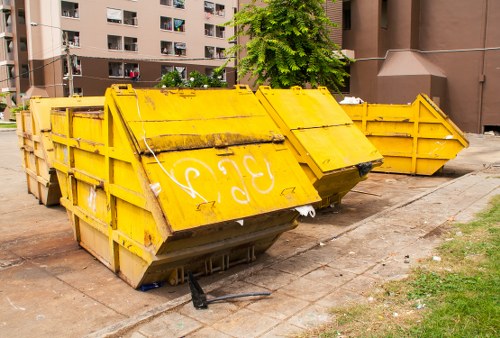
We provide office clearance in Victoria for businesses that need desks, chairs, filing, IT equipment and general workplace items removed in a tidy, organised way. The service is designed for commercial premises that are changing layout, reducing surplus stock, ending a tenancy or simply clearing accumulated office contents. Our focus is on practical removal work, sensible sorting and keeping the process straightforward for managers, landlords and facilities teams.
Every clearance is shaped around the items on site and the access available. That can include a single room, a whole floor, storage areas, meeting spaces, reception furniture or mixed office contents. We handle the move-out stages with care so the right items are separated from the rest, and we work with the material that needs to leave the building rather than overcomplicating the job. If you are comparing options, you can also review our pricing and quotes page for a clear starting point.
For a focused commercial clearance, it helps to know what must stay, what can be removed and whether any items need special handling. A short note about the type of office, the floor level and any access restrictions is usually enough to begin planning. If you are ready to move ahead, send through your details for a quotation.
Clearance work for offices, suites and workspaces
Office clearance often involves a mixed load of furnishings, fixtures and everyday business items rather than one neat category. We therefore separate the practical stages of the job: removing bulky furniture, gathering smaller loose items, and clearing storage spaces in a logical order. The aim is to leave the area ready for its next use without turning the process into a long disruption. This is particularly useful when a workplace has been occupied for years and contents have built up across cupboards, drawers and back rooms.
Some premises only need a targeted clear-out, while others need nearly everything removed from the floor plate. Our approach is adaptable to both. Typical work can include office desks, task chairs, cabinets, shelves, conference furniture, noticeboards and mixed general contents. We can also deal with items that have been stored away for later decision, which often makes a difference when the visible office looks manageable but the ancillary rooms tell a different story. If your plan is to clear only part of the site, that can be arranged with a smaller scope.
What is commonly removed
In many offices, the main challenge is not one item type but the variety of objects that need attention. A typical clearance may include the following:
- desks, chairs and storage units
- meeting room tables and reception furniture
- archive boxes, paperwork containers and loose stock
- small appliances, screens and assorted fittings
- items from cupboards, break areas and storerooms
Handling furniture, fittings and reusable contents

Large office furniture often needs to be moved before smaller items can be dealt with properly. We treat that as a practical sequence rather than a rush to empty the room. Desks, modular units and storage pieces can be dismantled where necessary, which helps with access and makes lifting easier where corridors, lifts or stairwells are tight. This matters in older buildings as well as modern shared offices where space has to be managed carefully.
Fittings and contents may also need to be separated by condition or by intended destination. Some items are straightforward office waste, some are suitable for reuse elsewhere, and some are simply no longer required. We work through those distinctions as part of the clearance itself, so the job is not treated as a single undifferentiated pile. That keeps the process more orderly and helps ensure the space is left in the expected state. For related removal of household-style items, our furniture clearance page explains that service area in more detail.
Where a workspace includes a mix of standard furniture and items from another setting, it is usually sensible to plan the clearance around the main categories first. Heavy items should be dealt with before loose contents are boxed or carried out, and anything fragile should be set aside early. Order matters because a room that starts cluttered can become much easier to clear once the largest objects are out of the way. That is why we keep the removal sequence practical rather than improvised.
Business waste, archive material and day-to-day office contents

Not every office clearance is about furniture alone. Many jobs also involve the general business waste that has collected over time: outdated stationery, packaging, old equipment, redundant display items and archive material that no longer needs to remain on site. We can clear those contents alongside the main furniture removal so the room is dealt with as one coordinated task rather than a series of separate visits.
Paper records, boxed files and stored office supplies often require a more careful sort than larger furnishings. Some material can be removed directly, while other items may need to stay in place for checking first. If the office contains sensitive or confidential paperwork, the customer should identify that early so the clearance can be planned appropriately. We do not assume that every box should be opened or that every cabinet can be moved in one go; the right method depends on the contents and the business setting.
For premises where the clearance extends beyond the office floor, our business waste removal page may also be useful. It covers a broader range of commercial waste tasks and can help if the job includes mixed surplus items from back-of-house areas, stockrooms or ancillary spaces. If your situation is more about removing equipment than emptying a room, the scale and sequence can be adapted to that as well. The key is to keep the work aligned with what actually needs to go.
How we approach access, lifting and site preparation
Good planning makes office clearance easier, especially in buildings with shared entrances, controlled access, narrow corridors or lift restrictions. We normally work from the layout of the space and the items identified, so the removal can be carried out in an order that suits the premises. When a customer prepares a quotation request, it helps to note whether there are stairs, loading restrictions, parking limitations or time windows that affect when the job can be completed.
The clearer the initial information, the easier it is to judge the likely scope. Photos, an item list or a simple room-by-room note can all be helpful, particularly where the office includes storage or mixed contents. That said, the purpose is not to make the customer do the job for us; it is to avoid surprises and reduce wasted time on the day. A concise outline is usually enough. If you want to see the service from a wider property perspective, our home clearance page shows a related type of clearance work, although office jobs are planned differently.
We also take care with the practical removal route inside the property. That means considering door widths, safe carrying paths and whether certain items need dismantling before they can be taken out. In a commercial setting, those small decisions can matter as much as the headline furniture list. A clean route, sensible stacking and clear responsibilities make the job more manageable for everyone involved.
Flexible clearance for changing workplaces
Office clearance is rarely identical from one site to the next. Some customers need a full end-of-lease clear-out, while others are reorganising a live workplace and only want selected items removed. We therefore treat the service as flexible rather than rigid. It can be built around a partial room, an unused suite, a back-office storage area or a larger multi-room project where different parts of the premises need to be handled separately.
There are also cases where the office is attached to another type of building use, such as a reception area, shared workspace or mixed commercial property. In those situations, the clearance plan needs to respect what is in active use and what is not. That may mean removing surplus furniture first, then working through archive rooms, and finally dealing with items kept in secondary storage. Our office clearance page is the core service page for this work, and it is useful if you want the main service explained in a dedicated format.
When a workspace is being emptied in stages, it can help to mark priorities before removal begins. Must-go items, items to review, and items to leave in place are best separated at the outset, even if the distinction is only rough. That makes the clearance more efficient and reduces the chance of moving something that should have stayed for another decision. It is a simple step, but it often prevents confusion later in the process.
About Victoria
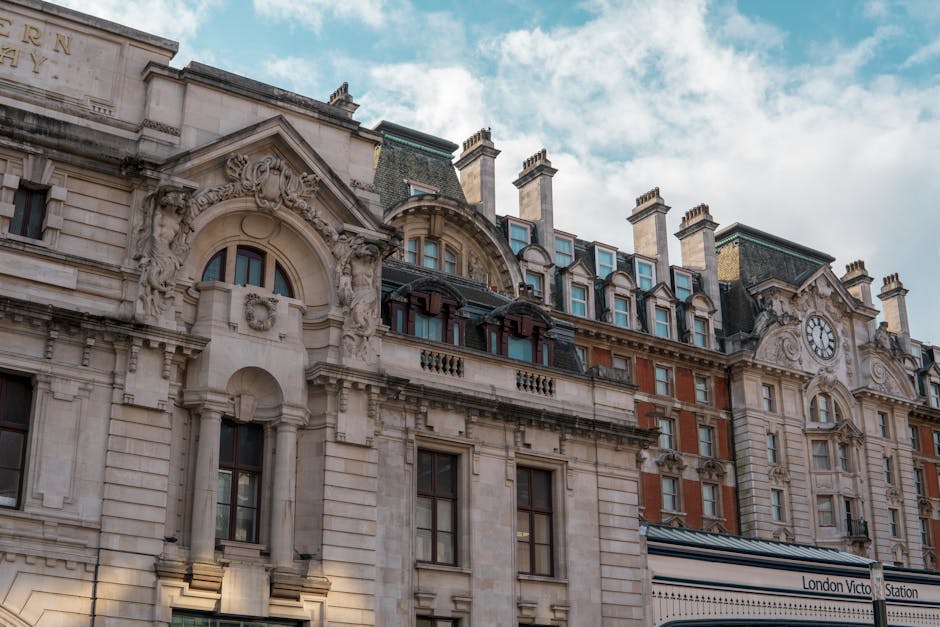
Victoria, in central London, is a compact district that sits around one of the capital’s busiest transport interchanges and close to some of its most recognisable civic and ceremonial streets. The area is closely associated with Victoria Station, which became a major rail terminus in the nineteenth century and remains a key point for national rail and Underground services. Around it, the streets combine transport infrastructure, offices, hotels and government buildings with quieter residential pockets that extend towards Belgravia and Pimlico. This contrast gives Victoria a distinctive urban character: intensely connected, but with defined neighbourhood edges rather than a single uniform streetscape. The area also includes notable landmarks such as Westminster Cathedral, whose red-brick and Byzantine-influenced design stands out in the local skyline, and the long formal sweep of Buckingham Palace Road, which links the district to ceremonial London. Nearby routes lead towards Westminster and St James’s, placing Victoria within walking distance of areas tied to administration, tourism and national institutions. Green space is limited compared with larger outer districts, but the surroundings include access to St James’s Park and the broader network of streets and squares that shape central London’s public realm. In everyday terms, Victoria is known for movement: commuters, visitors, residents and workers passing through the same streets at different times of day. That mixture has shaped its buildings, with a combination of older masonry frontages, post-war commercial development and continuing redevelopment around transport and office use. As a result, the district reads as both historic and highly functional, with architecture and circulation working side by side.
Office layouts, storage areas and end-of-tenancy needs

Many office clearances become more manageable when the layout is treated as a set of zones rather than a single large room. Desks and workstations may form the main area, but cupboards, archive corners, printer stations, kitchens and storage cupboards often hold the items that take longest to sort. We therefore approach the space in a sequence that reflects how people actually use it, which is especially helpful when the property has been occupied for some time.
End-of-tenancy situations usually need a more complete finish, because the target is not just removal but leaving the premises ready for the next stage. That may involve clearing lingering loose items, removing redundant furniture and dealing with secondary rooms that have been overlooked. If the office includes furniture that belongs to a different type of clearance, the service can be adapted, but the main aim stays the same: remove the contents that need to leave and avoid unnecessary disturbance to anything staying behind. For a related domestic-style removal, our flat clearance page gives another example of how we organise mixed contents.
Where there is a substantial amount of stored material, a staged approach often works best. First identify what is definitely going, then deal with heavier or fixed items, and finally clear loose contents and residual debris. That order keeps the job controlled and helps prevent the common problem of moving boxes before there is space to set them down properly. A careful sequence is especially valuable when the office contains both furniture and accumulated paper or packaging.
Pricing factors and quotation details

Office clearance pricing is usually shaped by the practical details of the job rather than by a single fixed pattern. The amount of furniture, the volume of mixed contents, access arrangements, floor level and the amount of sorting needed can all influence the quotation. It is also relevant whether the work is a straightforward removal or whether the office contains a number of separate rooms, storage spaces or items that need dismantling before they can be taken out. A clear description helps the estimate reflect the actual scope.
When requesting a quotation, it is useful to distinguish between what is visible and what is stored away. Offices often contain equipment and files in cupboards, under desks or in locked storage, and those items can change the scale of the job once they are counted. A short description with photos where possible makes it easier to assess the likely workload, while still keeping the process simple. If the service also needs to include fixtures or awkwardly placed items, mentioning that at the start avoids avoidable adjustments later. To discuss the practical side of the job, contact us with the basic details and we can take it from there.
We always recommend a clear outline of the property, a note on access and a rough idea of timing. That is enough to produce a more useful quotation without asking the customer to prepare anything elaborate. Good information in, useful quote out is the simplest way to think about it. If you are still gathering details, that is fine; the main thing is to begin with the core facts and then add anything unusual that might affect removal.
What to expect from a commercial clearance visit
A commercial clearance visit normally begins with confirming the items to be removed and the areas to be worked through. From there, the job is completed in a practical order so the workspace can be cleared without unnecessary repetition. The approach is direct: separate the main furniture, gather loose contents, remove stored items and finish by checking that the agreed areas have been dealt with. That method keeps the job focused on the outcome rather than on unnecessary handling.
Customers often find it useful to assign one person to answer questions on the day, even if the clearance itself is being done across a larger team environment. That makes decisions quicker when items are found in cupboards or when there is uncertainty about whether something should stay. It also helps if any access instructions, building rules or timing requirements are clear before work begins. For a different type of workplace-related removal, the builders waste clearance page shows another structured removal service where access and sorting matter just as much.
If your site includes mixed office furniture, secondary storage and general business contents, that can all be included in one planned clearance rather than separated into several unrelated tasks. The aim is to keep the service practical, organised and suitable for the premises involved. When the details are ready, a straightforward quotation request is usually the best next step. Tell us what needs clearing and we can respond with a relevant proposal.
Recycling, reuse and responsible disposal
Not every office item reaches the end of its life at the same point, so responsible disposal begins with sorting. Furniture, equipment and mixed contents may be handled differently depending on their condition and material type. This is one reason office clearance is more than simply loading items out; the removal should reflect what is being taken and how it ought to be processed afterwards. A careful sort at the start helps avoid unnecessary mixing of different item types.
Where items are suitable for recycling or reuse, it is sensible to keep them distinct from general waste. That may apply to certain metals, wood-based furniture, packaging and other office materials. We also recognise that businesses often prefer the clearance to be carried out in a tidy, orderly way that avoids unnecessary clutter at the point of removal. For customers who want to explore this broader approach, our recycling and sustainability page provides additional context on the topic.
Clearance work is at its best when it removes the burden of sorting from the customer while still handling items sensibly. That does not mean every object can be treated the same way, but it does mean the process should be deliberate rather than casual. A sensible mixture of separation, removal and final tidy-up makes the work more reliable and easier to complete in a professional setting.
Additional support for larger or mixed removals
Some office clearances are part of a broader building change, where other rooms or other categories of waste also need attention. In those cases, it can be useful to plan the removal around the full set of premises rather than treating the office as an isolated box-ticking exercise. That may include adjacent storage, service areas or furniture that no longer fits the planned use of the property. The more clearly the job is set out, the more easily the clearance can be matched to it.
Where the project includes items from another floor or from a related part of the building, a single coordinated service is often more efficient than arranging separate clearances at different times. That is especially true where access is shared or when the same corridors, lifts and loading points must be used for all removals. If the work overlaps with furniture that sits outside a typical office setting, our furniture disposal page is another relevant destination for the practical removal of individual items and mixed pieces.
Good commercial clearance is not about removing everything blindly; it is about removing the right things in the right order. Once that principle is in place, the rest of the job tends to become more straightforward. Whether the clearance is a one-off or part of a larger move, the same careful approach helps keep it manageable from start to finish.