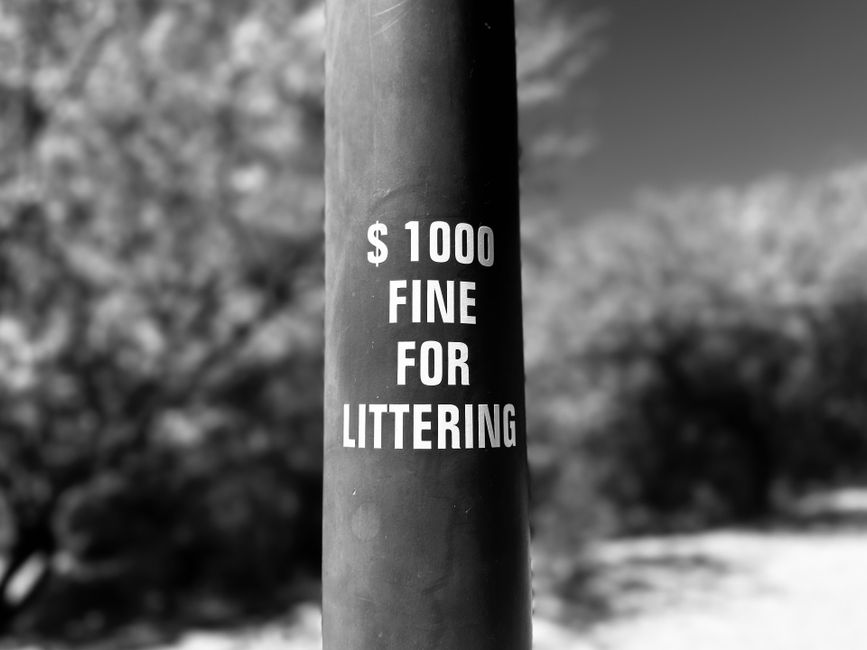
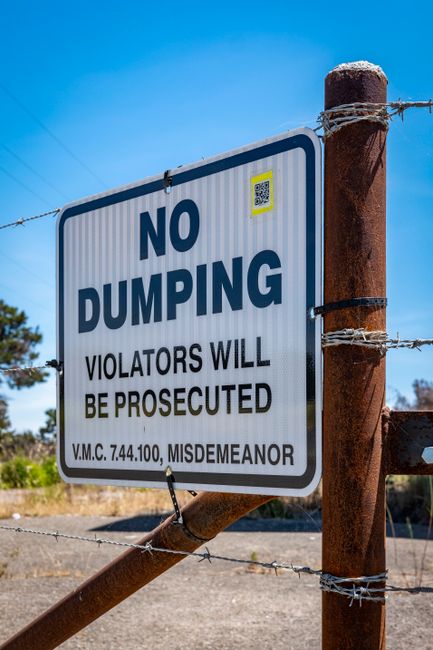
Fines and enforcement for illegal dumping in Victoria SW1
If you are trying to understand fines and enforcement for illegal dumping in Victoria SW1, you are probably dealing with one of two things: a worry that waste was left somewhere it should not have been, or a need to make sure your own clearance work stays firmly on the right side of the rules. Either way, it matters. Illegal dumping is not just an eyesore on a side street or beside a loading bay; it can trigger investigations, penalties, and a lot of avoidable hassle.
In central London, where access is tight and rubbish can appear quickly after office moves, flat clearances, refurbishments, or garden work, enforcement tends to be practical and fast-moving. The good news? If you understand how the system works, you can reduce risk, respond properly if something goes wrong, and make better decisions about lawful disposal. Let's walk through it clearly, without the fluff.
Why Fines and enforcement for illegal dumping in Victoria SW1 Matters
Illegal dumping is one of those problems that looks small at first and then becomes awkward very quickly. A mattress left beside a bin store, builders' rubble dumped after a quick job, or bags of mixed waste abandoned in a mews can all lead to complaints, enforcement action, and costs that climb faster than expected. In a place like Victoria SW1, where footfall is high and space is limited, the pressure to remove fly-tipped waste is even greater.
The main reason this topic matters is simple: responsibility matters. The person who dumped the waste, the person who arranged it, and sometimes the landholder or occupier may all be pulled into the picture depending on the facts. That is why people do not just ask, "What is the fine?" They also ask, "How will anyone know?" and "What happens if I am not the one who dumped it?" Fair questions. And not as simple as they sound.
Enforcement also matters because illegal dumping creates ripple effects. It can attract more dumping, create safety hazards, block access for residents or businesses, and make a street look uncared for. You will notice that councils and enforcement teams tend to respond more firmly when waste is left repeatedly in the same spot. One missed bag can become a pattern. And then, to be fair, the whole thing gets much less forgiving.
For businesses, the risk is not only a penalty. Reputation takes a hit too. If a shop fit-out, office move, or clearance job leaves waste in the wrong place, clients and neighbours tend to remember. That is why lawful disposal is not just a compliance issue; it is part of looking competent. If you are arranging a larger clearance, services such as business waste removal or builders waste clearance are often the more sensible route than trying to cut corners.
How Fines and enforcement for illegal dumping in Victoria SW1 Works
Enforcement typically starts with observation or reporting. Waste may be seen by residents, passers-by, building staff, or enforcement officers. Sometimes the clue is in the waste itself: an address label, an invoice, packaging, or a vehicle registration note tucked into a bag. That is why people sometimes get caught out even when they assumed the mess was anonymous. It often is not.
Once a report is made, the authority responsible for the area may investigate. In practical terms, that can involve checking the location, recording photographs, looking for identifying material, and linking the waste to a person, business, vehicle, or premises. If there is enough evidence, the authority may issue a fixed penalty notice or pursue further action. The exact process can vary depending on the circumstances and the enforcement body involved, so it is wise not to assume every case follows the same script.
Here is the part many people miss: enforcement is not only about the act of dumping itself. It can also involve failure to prevent the dumping, failure to dispose of waste properly, or using an unlicensed carrier who then abandons the waste. In everyday life, this often happens when someone pays for a "cheap clearance" and never checks where the waste is going. Suddenly, the bargain is not a bargain at all. More like an expensive headache wearing a discount label.
If you are managing clearance work in a flat, house, office or garage, it helps to keep the job properly documented. Use a reputable provider, get written terms, and keep records of what was removed and when. You can also review practical service pages like flat clearance, office clearance, or house clearance when planning lawful removal rather than leaving waste outside.
What enforcement usually looks for
- Where the waste was left and whether it obstructed a public or private area
- Who arranged the removal or transport
- Whether there is evidence tying waste to a household, business, or contractor
- Whether the waste was placed out for collection correctly or simply abandoned
- Whether the person involved took reasonable steps to use a lawful disposal route
That last point matters a lot. Reasonable steps are not a magic shield, but they do matter. Keeping receipts, checking waste carriers, and using proper disposal arrangements can make a real difference if questions are ever raised.
Key Benefits and Practical Advantages
Most people think about fines only after a problem has surfaced. But the benefits of understanding enforcement are actually pretty practical. It helps you avoid mistakes, save time, and keep control when waste removal is part of a busy project. That applies whether you are clearing a loft, fitting out an office, or tidying a garden after a long weekend of work.
The biggest benefit is risk reduction. When you know what counts as illegal dumping, you are less likely to rely on the wrong shortcut. That reduces the chance of penalties, repeat complaints, and awkward conversations with neighbours, landlords, or site managers.
There is also a planning benefit. Once people understand how enforcement works, they usually make better disposal choices from the outset. They are more likely to schedule a lawful collection, separate waste properly, and avoid leaving bags on the pavement "just for a bit." In central London, a bit can become a problem before lunch.
Another advantage is record-keeping. If a contractor leaves waste behind, or if you need to show that you arranged proper disposal, documentation helps. It shows intention and process. For mixed clearances, having a clear route for furniture, general waste, or specific household items can reduce confusion. That is where pages like furniture disposal, furniture clearance, and waste removal can support a more orderly approach.
Finally, compliance gives peace of mind. Sounds soft, maybe, but it is real. People sleep better when they know a property has been cleared lawfully and nothing is likely to boomerang back as a complaint or fine. Truth be told, that feeling is worth a lot.
Who This Is For and When It Makes Sense
This topic is relevant to more people than you might think. It is not just for business owners or landlords. It matters to homeowners, tenants, managing agents, builders, office managers, and anyone arranging waste collection in or around Victoria SW1.
You need this information if you are:
- disposing of bulky items from a flat, house, or basement
- managing a refurbishment, fit-out, or construction job
- clearing a garage, loft, or garden where waste can build up quickly
- responsible for a business premises and the waste outside it
- trying to verify whether a disposal arrangement is lawful
- dealing with a suspected fly-tip on your property or near it
It also makes sense if you are trying to compare low-cost options and wondering whether the cheapest route is actually safe. Often, the answer is no, not really. A better question is: can the provider prove lawful handling of the waste, and will the job be left clean? If the answer is vague, be careful.
For larger or messier jobs, it is worth looking at service types that match the waste stream. A garden overhaul may suit garden clearance, while attic clutter might be better handled through loft clearance. Households dealing with a full property can consider home clearance or house clearance. Matching the job to the right service is simple, but people skip it all the time.
Step-by-Step Guidance
If you want to stay on the safe side, use a straightforward process. Nothing fancy. Just sensible, repeatable steps.
- Identify the waste clearly. Separate household items, furniture, builders' material, garden waste, and general rubbish. Mixed waste is harder to manage and easier to mishandle.
- Decide where it should go. Ask whether the waste will be collected, reused, recycled, or disposed of. If the answer is unclear, stop there and ask again.
- Use a lawful collection route. Arrange a proper pickup or use a provider that handles disposal appropriately. Avoid leaving waste on the street or in communal areas.
- Keep records. Save quotes, invoices, collection details, and any written messages confirming what is being removed.
- Check after the job. Make sure the area is left clean and nothing has been abandoned behind bins, railings, or rear access points.
- Act quickly if something looks wrong. If waste has been dumped near your property, document it and report it promptly through the proper local route.
One common scenario is a tenant moving out on a Friday afternoon. Boxes pile up, a sofa is too awkward to move downstairs, and someone says, "We'll deal with it tomorrow." That is usually where trouble begins. By Saturday morning the waste has shifted, neighbours are annoyed, and someone else is left holding the bag. Literally. Better to line up a lawful clearance before the panic starts.
For recurring commercial needs, a business should make waste handling part of the normal operations plan. That includes choosing the right service, assigning responsibility, and checking what happens with bulky items, office furniture, or mixed rubbish. A little structure goes a long way.
Expert Tips for Better Results
After enough clearances, one pattern becomes obvious: the jobs that go smoothly are the ones planned early. The messy cases are nearly always the improvised ones. So here are the habits that genuinely help.
- Take photos before and after. This is useful for your own records, especially in shared buildings or commercial premises.
- Use written instructions. If a contractor is removing waste, spell out what is included and where it should end up.
- Keep access routes clear. In tight streets around Victoria SW1, waste left near entrances can become a blocking issue very fast.
- Separate reusable items early. Furniture and appliances can often be handled more cleanly when sorted in advance.
- Do not rely on verbal promises. "Don't worry, we'll sort it" is not a plan. It is a shrug with a van attached.
- Check for proper insurance and safety standards. That matters for site safety, property protection, and peace of mind.
One thing that is easy to overlook: timing. Waste set out too early can become an obstruction and attract complaints, while waste set out too late can lead to missed collections and rushed behaviour. Neither is ideal. If you are unsure, schedule the removal for a time when access and supervision are manageable.
It is also wise to think beyond the immediate job. If your clear-out includes business documents, old office chairs, or mixed equipment, a clear process matters more than speed. You may find it helpful to review the company's health and safety policy, insurance and safety information, and recycling and sustainability approach when choosing a provider.
Common Mistakes to Avoid
This is the section that saves people money. And stress. A lot of stress.
- Assuming all waste removal is the same. It is not. Builders' waste, office waste, and household furniture each need different handling.
- Leaving waste outside "temporarily." That temporary pile is often treated as abandonment.
- Using unverified operators. A cheap cash deal can turn into illegal dumping if the waste is not handled properly.
- Not asking for a clear scope. If the job is not defined, items can be left behind by mistake.
- Forgetting shared access rules. Flats, courtyards, mews, and managed buildings often have their own restrictions.
- Ignoring complaints from neighbours or neighbours' staff. Early complaints are a warning sign. Deal with them before they grow legs.
A smaller but real mistake is assuming that "it was not my waste" ends the conversation. If waste came from your property, vehicle, contractor, or worksite, you may still need to show what happened and what steps you took. That does not mean you are automatically liable for everything, but it does mean your paperwork matters. A lot.
Tools, Resources and Recommendations
You do not need specialist software to manage waste responsibly, but a few simple tools help more than people expect:
- A camera phone for before-and-after photos
- A written inventory of large items and waste types
- A contact log showing who arranged the removal and when
- A folder for invoices and terms so records do not disappear into email limbo
- A building access note for shared properties, courtyards, or restricted entry points
As a practical recommendation, use a clearance provider that can talk sensibly about what they remove, how they handle mixed waste, and what happens to reusable or recyclable items. A clear answers approach is usually a good sign. If the response is all vague smiles and "we sort that later," keep your distance.
For people comparing services, these pages may help orient the decision: pricing and quotes for budget planning, payment and security for transaction confidence, and about us for learning more about the team behind the service. None of that replaces due diligence, but it helps build trust.
Law, Compliance, Standards, or Best Practice
Illegal dumping is not just poor etiquette. In the UK context, it is a compliance issue linked to how waste is stored, carried, and disposed of. The exact penalty or enforcement route can depend on the facts, the evidence available, and the authority handling the matter. Because of that, it is safer to think in terms of responsible practice rather than assuming a single fixed outcome.
Best practice usually includes the following:
- using a lawful collection and disposal route
- keeping a record of who removed the waste
- checking that access, storage, and loading are safe
- avoiding public pavement obstruction or overnight abandonment
- separating waste types where possible
- choosing providers with clear policies and accountability
Where waste is generated by a business, care needs to be even higher. Businesses are generally expected to handle waste responsibly and not simply treat it as something to be pushed aside at the back entrance. That includes offices, shops, hospitality premises, and construction-related work in busy areas like Victoria SW1.
Local enforcement is often practical rather than dramatic. The issue may begin with a complaint, a site visit, or evidence collected from the waste itself. What matters most is whether there is a trail showing reasonable steps were taken. A tidy process is not just neat; it is protective.
Options, Methods, or Comparison Table
When people are trying to avoid illegal dumping, they usually end up choosing between a few disposal methods. The right one depends on volume, item type, speed, access, and whether the waste is domestic or commercial.
| Option | Best for | Strengths | Watch-outs |
|---|---|---|---|
| Self-managed disposal | Small, manageable loads | Direct control and simple planning | Can be time-consuming; mistakes are easy if waste is mixed |
| Booked clearance service | Bulky, mixed, or time-sensitive waste | Convenient, efficient, and easier to document | Quality varies, so check scope and terms carefully |
| Project-based clearance | Refurbishments, office moves, or building work | Good for larger volumes and structured removal | Needs coordination and clear access |
| Ad hoc roadside placement | None, really | Feels quick in the moment | High risk of enforcement, complaints, and abandonment issues |
That last row is blunt on purpose. There is no nice version of leaving waste where it should not be. It may look like the easiest option for ten minutes, then becomes the most expensive one. A bit harsh, but fair.
Case Study or Real-World Example
Picture a small office near Victoria SW1 after a hurried move. The team has old desks, broken chairs, archive boxes, and a few bits of mixed rubbish left after packing. Someone suggests putting it out by the rear entrance for "collection later." The problem is that the rear entrance is shared, the timing is uncertain, and another tenant has already complained about clutter there before.
Instead of rolling the dice, the office manager books a lawful clearance, keeps a short inventory, and confirms the items to be removed. The waste is collected in one visit, the loading is done without blocking access, and the area is left clear. No mystery bags. No late-night panic. No awkward message from a neighbour the next morning.
That is the difference between improvisation and process. The same waste existed in both versions. The outcome was completely different.
We see a similar pattern in household clearances. A loft full of broken furniture and bagged clutter can easily become a "we'll deal with it later" situation. But later tends to be when the rain starts, the bins are full, or the landlord is asking questions. Using a structured service such as loft clearance or garage clearance keeps the job contained and reduces the chance of waste ending up in the wrong place.
Practical Checklist
Use this before any disposal job in Victoria SW1. It is simple, but honestly, simple is often what works.
- Have I identified every item that needs removing?
- Do I know whether the waste is household, business, builders', or garden waste?
- Have I chosen a lawful disposal route?
- Do I have written confirmation of what will be taken?
- Have I checked access, timing, and any building rules?
- Will anything be left on the street, pavement, or in a shared space?
- Do I have before-and-after photos if I need them later?
- Have I kept invoices or messages for my records?
- Is the provider clear about recycling, safety, and insurance?
- If I am unsure, have I asked for clarification before the collection date?
Expert summary: The safest approach is rarely the quickest-looking one. In practice, fines and enforcement are usually avoided by doing a few ordinary things well: choose a legitimate collection route, keep simple records, and never leave waste to "sort itself out." It does not, despite the occasional hopeful plan, sort itself out.
Conclusion
Fines and enforcement for illegal dumping in Victoria SW1 are ultimately about accountability. If waste is handled properly, there is usually no drama. If it is left in the wrong place, or handed to the wrong person, the problems can unfold quickly. What looks like a shortcut can become a complaint, an investigation, or a bill nobody wanted.
The best answer is a straightforward one: plan the disposal, keep proof, and use a lawful route that suits the type and volume of waste. Whether you are clearing a home, managing office furniture, or dealing with builders' debris, it pays to be methodical. You do not need to be perfect. Just sensible. That alone avoids a surprising amount of trouble.
And if you are at the point where the job needs to be dealt with properly, now is the time to act rather than hope it disappears overnight.
Get a free quote today and see how much you can save.
Frequently Asked Questions
What counts as illegal dumping in Victoria SW1?
Illegal dumping usually means leaving waste where it should not be left, such as on the pavement, in a shared area, beside a bin store, or on land without permission. It can also include arranging disposal through an untrustworthy route that results in the waste being abandoned elsewhere.
Who can be fined if waste is dumped illegally?
That depends on the facts. It may be the person who dumped the waste, the person who arranged it, a contractor, or in some cases another party connected to the waste. The key issue is usually the evidence trail and who had responsibility or control.
How do enforcement officers usually find out who dumped the waste?
They may inspect the waste for names, addresses, documents, labels, or vehicle clues. Witness reports and camera footage can also help. It is not always obvious at first, but waste often gives up more information than people expect.
Can I be penalised if someone else left rubbish near my property?
Possibly, if the waste came from your premises, your contractor, or your activity, or if there are questions about responsibility. If it is genuinely fly-tipped by a third party, keep records, photograph it, and report it promptly.
What should I do if I think illegal dumping has happened outside my building?
Document it straight away with clear photos, avoid moving the waste unless it is necessary for safety, and report it through the proper local route. If the waste may be hazardous, treat it with extra caution and do not handle it casually.
Is using the cheapest waste collector a bad idea?
Not always, but price alone is not enough. If the provider cannot explain how waste will be handled, or the arrangement feels vague, the risk goes up. A cheap job that turns into illegal dumping is no bargain at all.
Do I need records for a small domestic clearance?
It is sensible, yes. Even for a small job, keeping a receipt, a message trail, or a note of what was removed can help if questions arise later. It takes little effort and can save a lot of hassle.
What kind of waste creates the most enforcement risk?
Mixed waste, builders' debris, bulky items, and waste left in communal or public areas tend to attract the most attention. Anything that blocks access, looks abandoned, or appears to have been left deliberately is more likely to trigger complaints.
How can businesses reduce illegal dumping risk?
Businesses should have a clear waste process, use a reliable collection service, keep documentation, and make sure staff know where waste goes. For larger or recurring needs, structured services such as business waste removal can make compliance much easier.
What if the waste is just left outside for a short time?
Even short-term placement can be a problem if it obstructs access, creates a nuisance, or looks abandoned. In busy parts of Victoria SW1, "just for a bit" can become an issue quicker than people think.
How do I know whether a clearance service is suitable for my job?
Choose a service that matches the waste type and gives clear information about what is included, timing, and disposal handling. If you are comparing options, look at the service page, pricing details, and trust pages before making a decision.
What is the safest next step if I am unsure about disposal rules?
Pause and ask for clarification before the waste is moved. A short check now is much better than a stressful call later. If needed, speak to a reputable clearance provider and explain the waste type, access, and urgency clearly.