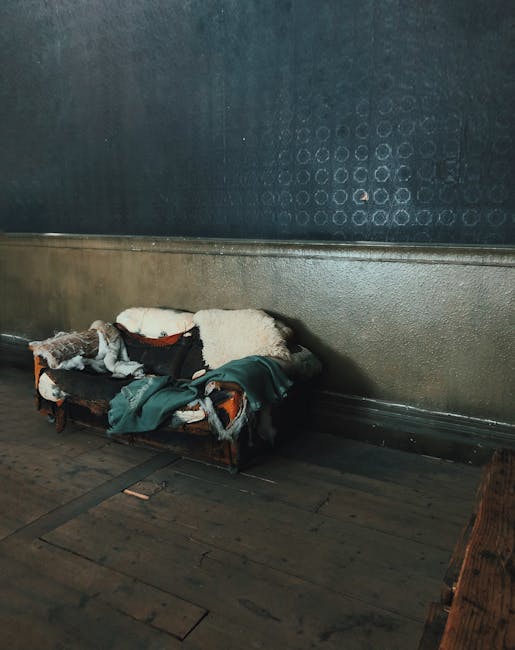
Old sofa in Victoria: safe disposal options
If you've got an old sofa sitting in a hallway, flat, office, or storeroom in Victoria, you're probably trying to solve one very ordinary problem that can quickly become annoying: how do you get rid of it safely, legally, and without turning the place upside down? Old sofa in Victoria: safe disposal options are broader than many people expect. You can reuse it, donate it, recycle parts of it, arrange council collection where available, or book a licensed clearance team to remove it for you.
Truth be told, a sofa looks harmless until you try to move it. Then the tight corners, narrow stairs, worn fabric, and awkward weight all make themselves known. The good news is that there are sensible ways to deal with it, whether the sofa is damaged, stained, fire-damaged, or simply no longer wanted. This guide walks you through the practical choices, the risks to avoid, and the best next step if you want a clean result without the hassle.
For readers who also need broader clearance support, it can help to look at a provider's main office clearance service in Victoria, along with their guidance on recycling and sustainability, pricing and quotes, and health and safety policy before booking anything.
Table of Contents
- Why old sofa disposal in Victoria matters
- How safe sofa disposal works
- Key benefits and practical advantages
- Who this is for and when it makes sense
- Step-by-step guidance
- Expert tips for better results
- Common mistakes to avoid
- Tools, resources and recommendations
- Law, compliance, standards and best practice
- Options, methods and comparison table
- Case study or real-world example
- Practical checklist
- Conclusion
- Frequently asked questions
Why Old sofa in Victoria: safe disposal options Matters
Old sofas are bulky, awkward, and often more complex to dispose of than a bag of household waste. They can block access routes, damage walls during removal, and create a fire or hygiene concern if they're left in communal areas. In busy parts of Victoria, where flats, period buildings, office spaces, and serviced accommodation often have tight access, that challenge is even more obvious.
Safe disposal matters for a few simple reasons. First, it helps keep your property clear and usable. Second, it reduces the chance of injury while lifting or carrying heavy furniture. Third, it helps make sure the sofa ends up in the right place rather than being dumped on a pavement or left for someone else to deal with. And honestly, nobody wants the sight of a tired three-seater sitting outside a building all weekend, rain soaking into the cushions.
There is also a sustainability angle. Sofas can contain timber, metal springs, foam, textiles, and fixings that may be reusable or recyclable in part. A responsible disposal route can keep useful material out of landfill, which is why many customers now ask about a provider's recycling approach before they book.
Key point: the safest option is not always the fastest one, but the best option is usually the one that combines legal disposal, practical handling, and a realistic plan for the sofa's condition.
How Old sofa in Victoria: safe disposal options Works
In practice, sofa disposal usually follows one of five routes: reuse, donation, recycling, council or local collection, or professional clearance. Which one fits depends on condition, access, urgency, and whether you need one item removed or a wider clear-out.
1. Reuse or donation
If the sofa is clean, structurally sound, and free from serious damage, some charities or reuse schemes may accept it. That said, acceptance criteria can be strict. A sofa that looks fine in the room may still be rejected if it has smoke damage, pet odour, broken springs, or significant wear. To be fair, most organisations would rather refuse a marginal item than pass on a problem to someone else.
2. Recycling and material recovery
Recycling a sofa usually means separating usable materials like wood, metal, and some textiles. Not every part can be recycled everywhere, but a good clearance provider will usually work to maximise diversion from landfill where facilities allow it. If the sofa is beyond repair, this route often offers the best balance between convenience and environmental care.
3. Council or local bulky waste collection
Some local councils offer bulky waste collections for large furniture. The process is generally straightforward: you request a slot, confirm the item type, and leave the sofa in the agreed place on the collection day. Availability, waiting times, and charges vary. For readers comparing this with private collection, it can help to check how a provider handles scheduling, especially if your move-out date is fixed.
4. Licensed professional clearance
For damaged, heavy, hard-to-access, or urgent sofa removals, a licensed clearance service can be the most practical option. This is especially useful in Victoria where stairwells are narrow and time windows can be tight. A professional team should remove the sofa carefully, transport it legally, and handle disposal in line with relevant waste rules and safety expectations. If you're booking this route, it's sensible to review insurance and safety information so you know what protections are in place.
5. Sell or give away locally
Some sofas still have life left in them. Online marketplaces, local community groups, or word-of-mouth can work well if the item is clean and attractive enough. The drawback? It can take time, and there's always the possibility of no-shows. If you need the room cleared by Friday afternoon, waiting for a casual pickup may not be the best plan. Lets face it, a "free to collector" listing can be surprisingly successful one week and completely ignored the next.
Key Benefits and Practical Advantages
Choosing the right sofa disposal route gives you more than just a blank space in the room. It can save time, reduce stress, and prevent awkward last-minute problems on moving day.
- Safer handling: You avoid DIY lifting that can strain backs, trap fingers, or damage stair rails.
- Cleaner finish: The sofa is removed in one controlled process, rather than being dragged out in pieces.
- Better compliance: A responsible disposal route helps you avoid fly-tipping risk and poor waste handling.
- Less disruption: A professional team can often complete the removal quickly, which matters in occupied buildings.
- Improved sustainability: Reuse and recycling can reduce the amount sent to landfill.
- Peace of mind: You know who is taking the item, where it is going, and what happens next.
There's also a practical business benefit. If you're clearing an office lounge, waiting area, or hospitality space in Victoria, you may need the sofa gone before new furniture arrives. In that case, a planned clearance avoids the classic "new item comes in, old item still in the corridor" problem. Not ideal.
Who This Is For and When It Makes Sense
This topic matters to a lot of people, not just homeowners. In Victoria, furniture removal often involves a mix of residential and commercial needs, and the right disposal choice depends on the situation.
- Flat owners and tenants: Especially if stair access is tight or the sofa won't fit in a lift.
- Landlords and letting agents: Useful after tenancies where bulky furniture needs clearing fast.
- Office managers: Helpful when lounge seating, reception furniture, or breakout furniture is being replaced.
- Facilities teams: Good for coordinating disposal alongside other items in a wider clearance.
- Anyone downsizing or moving: When the sofa simply won't work in the next property.
It makes sense to act early if the sofa is blocking access, creating a fire escape concern, or making a room unusable. It also makes sense if you're already planning a larger clear-out. In that scenario, combining items in one visit is often more efficient than arranging separate collections for each piece.
If you need a service that can handle different property types and access situations, review the company's health and safety guidance and insurance and safety standards first. That small step can save a headache later.
Step-by-Step Guidance
Here's a straightforward way to decide what to do with an old sofa in Victoria without overthinking it.
- Check the condition. Is it clean, intact, and usable? If yes, reuse or donation may be possible. If not, move to recycling or disposal.
- Measure access. Check door widths, stair turns, lift size, and any parking or loading restrictions. A sofa that can be removed in theory may still be a nightmare in practice.
- Decide how quickly it needs to go. If you have a move-out date, refurbishment schedule, or tenant handover, speed matters.
- Choose the disposal route. Compare council bulky waste, donation, local selling, recycling, or licensed clearance.
- Confirm what the provider accepts. Some services take all sofa types; others exclude heavily contaminated or unsafe items.
- Ask about the end destination. A reputable provider should be clear about reuse, recycling, or disposal routes.
- Prepare the item. Remove cushions, loose covers, personal items, and anything fragile around it.
- Arrange a clear handover point. If the sofa must be moved through communal spaces, make sure access is safe and unobstructed.
A small detail that helps: if the sofa is in a top-floor flat, tell the collector in advance whether there are stairs, tight landings, or resident parking restrictions. That one conversation can be the difference between a smooth morning and a very sweaty one.
Expert Tips for Better Results
These are the kinds of practical details that tend to make sofa disposal easier, cleaner, and cheaper overall.
Be honest about the sofa's condition
If the upholstery is ripped, the frame is warped, or the sofa smells damp, say so up front. Clear descriptions help a collector bring the right crew and avoid delay. Nobody enjoys a surprise on collection day, least of all the people carrying it.
Take photos before you book
A few simple photos from the front, side, and access route can help a service assess the job properly. This is especially useful for corner sofas, sofa beds, and oversized modular seating.
Ask where the item will go
A professional provider should be able to explain whether the sofa is likely to be reused, broken down for recycling, or taken to a licensed disposal facility. That transparency is a good sign.
Combine items where sensible
If the sofa is not the only thing leaving the property, ask whether other furniture can be collected at the same time. One well-planned visit often beats several small ones, both for cost and convenience. If you're unsure, a quick check of pricing and quotes can help you compare options without committing too early.
Book around your building's rhythm
In central London properties, timing matters. Early mornings may suit office buildings, while residential blocks can be easier mid-morning after commuting rushes. Small timing choices can reduce disruption more than people expect.
Common Mistakes to Avoid
Most sofa disposal problems are preventable. They usually come from rushing, guessing, or assuming all bulky waste services work the same way. They don't.
- Leaving the sofa outside without approval: That can count as fly-tipping or unauthorised waste placement.
- Underestimating access issues: Tight stairwells, narrow doors, and awkward corners can make removal much harder than expected.
- Booking before checking service terms: Some providers will not take contaminated, infested, or excessively damaged furniture.
- Assuming all councils collect every item: Bulky waste rules, costs, and collection limits vary.
- Forgetting to clear the path: A few shoes, bins, or a trailing cable can slow everything down.
- Ignoring building rules: Communal areas, loading bays, and permits can all matter.
- Choosing the cheapest option without checking safety: Low cost is not a win if the item is handled badly or disposed of improperly.
One more thing. If a sofa has signs of bed bugs, mould, or heavy contamination, do not treat it like a normal furniture pickup. The provider needs to know, and the removal process may need special handling. Better to be slightly awkward on the phone than deal with a bigger issue later.
Tools, Resources and Recommendations
You do not need specialist equipment to decide on sofa disposal, but a few simple tools make the process smoother.
- Measuring tape: To check the sofa against doorways, lifts, and hallways.
- Phone camera: To photograph condition and access points.
- Basic gloves: Useful if you need to move cushions, legs, or loose pieces.
- Labels or tape: Helpful if the sofa is being moved as part of a larger office or household clearance.
- Building access notes: Lift codes, loading bay rules, or concierge instructions can save time.
For a service-backed route, it can be useful to compare a provider's policy pages. Payment and security information helps when you want to understand how booking works. Accessibility information can also be relevant if you or someone in your building needs a more thoughtful service approach. And if you want reassurance about how the business handles concerns, the complaints procedure is worth a look before you book.
If you are planning a larger clean-out, the wider service pages can also help you judge whether the company is set up for straightforward, careful work rather than a rushed one-off. That matters more than people think.
Law, Compliance, Standards and Best Practice
Without getting bogged down in legal jargon, there are a few important principles to keep in mind. Waste should be handed to a responsible party, and furniture should not be dumped on pavements, in alleyways, or beside bins unless that area is explicitly designated for collection. In the UK, improper disposal can create nuisance, enforcement issues, and avoidable environmental harm.
Best practice usually means using a route that can demonstrate proper handling. That may include licensed waste transfer, sorting for reuse, and recycling where feasible. If you are hiring a company, it is sensible to ask how they manage duty-of-care expectations and whether they can explain their disposal process in plain English. You are not being fussy. You are being careful, which is fair enough.
For commercial properties, compliance expectations can be more visible. Managers may need to ensure safe access, protect staff and visitors, and avoid blocked escape routes while the sofa is being removed. A good provider should work in a way that supports those responsibilities, not complicates them.
It is also wise to look for clear business policies that reflect responsible operations. The pages on modern slavery commitment and recycling and sustainability can give you a better sense of how seriously a company treats ethical and environmental standards.
Options, Methods, or Comparison Table
Below is a practical comparison of the most common ways to dispose of an old sofa in Victoria. The "best" choice depends on condition, urgency, and whether you value convenience, reuse, or cost control most.
| Option | Best for | Advantages | Limitations |
|---|---|---|---|
| Donation / reuse | Clean, usable sofas | Supports reuse; may feel more responsible | Strict acceptance rules; can take time |
| Sell or give away locally | Decent-condition sofas | Could be free or generate some return | No-shows, delays, and message-chasing |
| Council bulky waste collection | Standard household disposal | Simple and official where available | Collection dates and rules can be limited |
| Recycling-focused clearance | Old or damaged sofas | Good for recovery of materials | Not every component is recyclable everywhere |
| Licensed professional removal | Heavy, awkward, urgent, or mixed clearances | Fast, safe, and convenient | Usually not the cheapest single-item route |
If you are comparing private services, the right question is often not "what is the cheapest?" but "what gets the sofa out cleanly, on time, and without stress?" That shift in thinking helps more than a lot of people expect.
Case Study or Real-World Example
Imagine a small furnished flat in Victoria with a two-seater sofa in the living room. The sofa is serviceable but no longer wanted after a tenant change. Access is awkward: two narrow turns in the hallway, a lift that is just a bit too small, and a concierge desk that only allows loading at certain times.
At first, the landlord considers leaving the sofa outside for collection. But that would mean handling rules, possible weather damage, and a risk of nuisance to neighbours. Instead, the team checks the sofa condition, takes photos, and books a removal slot aligned with building access times. The collector arrives with the right equipment, moves the sofa carefully through the route, and clears the space in one visit. The flat is ready for cleaning that afternoon.
Nothing dramatic happened, which is exactly the point. Good sofa disposal often looks uneventful from the outside. No scraped walls, no strained backs, no drama in the stairwell. Just a tidy result and a building that keeps moving.
For jobs like this, a provider that is clear about scheduling and handling can make life easier. You can usually start by checking quotes and pricing details so you understand the likely approach before booking.
Practical Checklist
Use this quick checklist before you arrange removal or disposal.
- Confirm whether the sofa is reusable, recyclable, or only fit for disposal.
- Measure the sofa and the access route.
- Take photos of the item and the exit path.
- Check for stairs, lifts, parking restrictions, or loading limits.
- Remove cushions, throws, loose covers, and personal items.
- Decide whether you need same-day, next-day, or flexible collection.
- Ask what happens to the sofa after collection.
- Confirm payment terms, access instructions, and who will attend on the day.
- Make sure the area is clear and safe for moving furniture.
- Keep a record of your booking and any collection confirmation.
Quick expert summary: if the sofa is in decent condition, try reuse first. If it is damaged but manageable, recycling or a licensed clearance service is usually the most sensible route. If access is awkward or time is tight, do not fight the furniture. Book a proper removal. That's usually the calmest, cheapest decision in the long run.
Conclusion
Old sofa in Victoria: safe disposal options are all about matching the sofa's condition to the right route. A usable sofa may deserve reuse or donation. A worn or broken one may be better handled through recycling or a licensed clearance service. And if access is awkward, as it often is in London buildings, careful planning matters even more than the disposal method itself.
The main thing is to avoid the messy middle ground: no leaving bulky furniture outside "just for a bit," no guessing on access, and no choosing a route that creates more work later. A little planning now can save a surprisingly large amount of time, stress, and backache. Honestly, that is usually the whole story.
If you want a straightforward next step, compare your options, check the provider's safety and sustainability information, and choose the route that fits your timeline and the sofa's condition. Simple, really.
Get a free quote today and see how much you can save.
Frequently Asked Questions
What is the safest way to dispose of an old sofa in Victoria?
The safest route is usually a licensed collection or clearance service, especially if the sofa is heavy, awkward, or difficult to move. If the sofa is still usable, donation or reuse may be a better first option.
Can I leave an old sofa outside for collection?
Only if the collection is arranged and the item is placed exactly where the provider or council has instructed. Leaving it out without approval can lead to fly-tipping issues or complaints from neighbours.
Are sofas recycled in the UK?
Sometimes, yes. Many sofas can be partly dismantled so materials like metal, wood, and some textiles can be recovered. The exact process depends on the sofa type and local facility capabilities.
How do I know if my sofa can be donated?
Check whether it is clean, structurally sound, smoke-free, and free from major damage. Many donation organisations have strict acceptance rules, so it is worth asking before you arrange transport.
Is it better to sell a sofa or have it removed?
If the sofa is in good condition and you are not in a rush, selling or giving it away can work well. If speed, convenience, or access are the main concerns, removal is usually the better choice.
What if my sofa is a sofa bed or modular corner sofa?
These items often take more time to dismantle and carry, so mention the type in advance. Photos help a lot here, because bulky multi-part sofas can be more complex than they look.
Do I need to dismantle my sofa before collection?
Usually not, but it can help if the sofa will not fit through doorways or tight turns. Always check with the collector first before taking anything apart, especially if screws, frames, or fittings need careful handling.
How much does old sofa disposal cost in Victoria?
Costs vary depending on the collection method, access, number of items, and urgency. It is best to request a quote rather than assume a fixed rate, particularly if the job involves stairs or multiple bulky items.
What should I do if the sofa has mould, pests, or heavy contamination?
Tell the provider before booking. Such items may need special handling or may be excluded from standard collections. It is important to be upfront so the removal can be planned safely.
Can a clearance company remove the sofa from upstairs flats?
Yes, many can, but the ease of removal depends on access, stairs, lift size, and the sofa's dimensions. A good company will ask the right questions before arrival so the team is prepared.
How can I check whether a disposal company is responsible?
Look for clear information on safety, insurance, recycling, payment security, and complaints handling. Those details do not guarantee perfection, but they do give a useful picture of how the company operates.
What is the most practical choice if I am moving out soon?
If you need the sofa gone by a fixed date, a professional clearance service is often the least stressful option. It reduces the chance of delays, missed pickups, or access problems on the day.