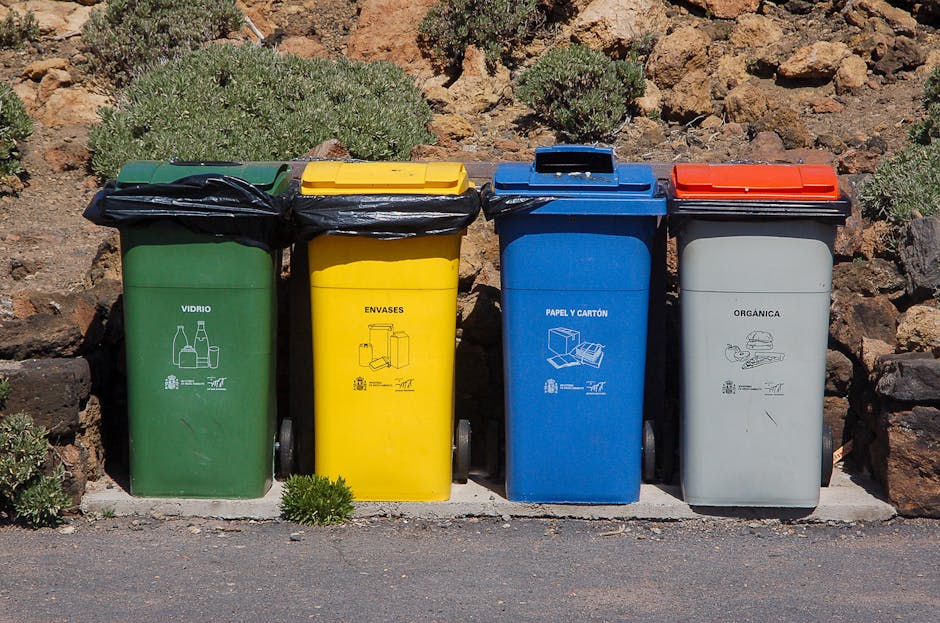
Victoria Station: Best local waste drop-offs in SW1
Finding a sensible place to get rid of unwanted items around Victoria Station can save time, money, and a surprising amount of stress. In SW1, the challenge is rarely just "where do I take this?" It is usually a mix of access, parking, timing, item type, and whether the waste is even accepted at the site you had in mind. This guide to Victoria Station: Best local waste drop-offs in SW1 explains the practical options, how to choose the right route, and what to do if your rubbish is too bulky, mixed, or awkward to move by yourself.
If you are clearing a flat, emptying an office, or dealing with a few heavy household items after a move, the smartest approach is often to compare drop-off with a managed collection service. For example, a quick look at local waste removal options in Victoria can help you decide whether you should transport the load yourself or let a crew handle it properly. Either way, the goal is the same: dispose of waste legally, efficiently, and without making a simple job into a whole weekend event.
Table of Contents
- Why Victoria Station: Best local waste drop-offs in SW1 Matters
- How Victoria Station: Best local waste drop-offs in SW1 Works
- Key Benefits and Practical Advantages
- Who This Is For and When It Makes Sense
- Step-by-Step Guidance
- Expert Tips for Better Results
- Common Mistakes to Avoid
- Tools, Resources and Recommendations
- Law, Compliance, Standards, or Best Practice
- Options, Methods, or Comparison Table
- Case Study or Real-World Example
- Practical Checklist
- Conclusion
- Frequently Asked Questions
Why Victoria Station: Best local waste drop-offs in SW1 Matters
Victoria Station sits in one of central London's busiest, most tightly managed areas. That matters because waste disposal here is not as simple as loading a car and driving to the nearest tip. Streets are busier, stopping spaces are limited, and many properties in SW1 are flats, managed buildings, or commercial premises with no easy loading point.
In practice, that means the "best" waste drop-off is not always the closest one. The best option is the one that fits the item, the volume, and your access to transport. A single broken chair is a different problem from a mixed clearance of bags, old shelving, packaging, and office clutter. You need a route that matches the load, not just the postcode.
This is also why many people in the area compare self-drop-off against professional clearance. If you are clearing a property after a tenancy, preparing a workplace for refit, or getting rid of bulky household items, a service such as house clearance in Victoria or office clearance may be more practical than trying to transport everything yourself.
Another reason this topic matters is compliance. Not every waste stream can go into ordinary mixed waste. Furniture, electrical items, builders' debris, green waste, and confidential office material all follow different handling expectations. Getting that wrong can mean wasted trips or, worse, improper disposal. No one wants to be that person with a boot full of old filing cabinets and nowhere appropriate to take them.
How Victoria Station: Best local waste drop-offs in SW1 Works
Local waste drop-offs generally fall into three broad categories: council recycling or reuse points, commercial waste facilities, and collection-based services that remove items from your property. Around Victoria Station, your real decision is usually between self-haul and arranged pickup.
Here is the basic process if you want to drop waste off yourself:
- Identify the waste type. Separate general rubbish, cardboard, wood, metal, furniture, garden waste, electrical items, and construction debris.
- Check acceptance rules. Different facilities accept different materials, and some require booking or proof of address.
- Pack and load safely. Use sturdy containers, wrap sharp edges, and avoid overloading bags or boxes.
- Plan the route and timing. In central London, congestion and parking restrictions can easily make a short trip longer than expected.
- Bring ID or booking confirmation if required. Some sites operate controlled access to keep traffic moving and to manage permitted waste types.
If the waste is bulky, mixed, or physically hard to move, many residents and businesses choose a collection service instead. That is especially true for furniture, white goods, office desks, or bags of mixed rubbish from a flat clear-out. You can also explore related services such as furniture disposal or flat clearance when the job involves more than a few loose items.
The key point is simple: the process should be matched to the waste. If the load fits a vehicle and the destination accepts it, drop-off can be efficient. If not, a collection is often cheaper in real terms because it saves time, lifting, fuel, parking hassle, and repeat journeys.
Key Benefits and Practical Advantages
There are clear benefits to knowing your local waste drop-off options around Victoria Station, especially if you live or work in SW1.
- Speed: You can clear space quickly when you already have transport and a prepared load.
- Control: You decide exactly what goes, what gets separated, and what can be reused or recycled.
- Cost discipline: Self-drop-off can be economical for small loads if you already have a suitable vehicle.
- Cleaner organisation: Sorting waste in advance often reduces contamination and improves recycling chances.
- Local convenience: For nearby residents, businesses, and contractors, it can be easier to plan around a known drop-off process than to wait for a collection slot.
There is also a less obvious benefit: better decision-making. Once you understand which items are awkward, restricted, or heavy, you become much less likely to waste time on the wrong option. That is useful whether you are moving out, refurbishing, or simply reclaiming space in a storage cupboard that has become a long-term hiding place for broken office chairs.
For larger jobs, a managed provider with clear operational standards can offer more certainty. Pages like pricing and quotes, recycling and sustainability, and insurance and safety are useful when you want to compare service quality before booking.
Who This Is For and When It Makes Sense
Waste drop-offs near Victoria Station make sense for several types of readers:
- Homeowners and tenants who are clearing out a flat, replacing furniture, or dealing with post-move clutter.
- Landlords and letting agents who need properties reset between occupiers.
- Office managers and small businesses disposing of desk units, chairs, archive boxes, or packaging waste.
- Tradespeople handling small builders' loads after a job nearby.
- People on a tight timeline who need an immediate disposal solution and can transport waste themselves.
It makes sense when the load is modest, sortable, and legal to carry in your vehicle. It also makes sense when you want to keep direct control over what happens to the waste. Many people prefer that feeling, especially with household items they have already separated for reuse or recycling.
It makes less sense if the waste is bulky, mixed, hazardous, very heavy, or located in a building with poor access. In those situations, a specialist service such as builders waste clearance, furniture clearance, or business waste removal may be a better fit.
Ask yourself one question before committing: will self-drop-off genuinely save time once lifting, parking, and queues are factored in? In central London, that honest check often answers the question for you.
Step-by-Step Guidance
Use this practical approach to choose the right drop-off option near Victoria Station.
- List the items. Write down exactly what you need to dispose of. Be specific: office chair, mattress, cardboard boxes, broken shelves, mixed household waste.
- Group by type. Separate recyclable materials, reusable items, bulky furniture, and anything that may need special handling.
- Check access. Decide whether you can lift the items safely, fit them into your vehicle, and unload without blocking traffic or creating a safety issue.
- Verify the facility or service. Confirm opening times, item restrictions, booking requirements, and whether card payment is accepted.
- Prepare the load. Flatten boxes, remove loose screws, tape sharp edges, and bundle lighter items so they do not scatter.
- Plan for return. If you are doing more than one load, estimate the time and fuel so you do not underbudget the trip.
- Choose the simplest legal route. If the job starts to look awkward, switch to a collection service before it becomes a half-day puzzle.
A good rule of thumb: the cleaner your sorting, the smoother the disposal. Waste drop-off works best when the load is already organised before it reaches the vehicle.
If you are dealing with an entire room, not just a handful of items, you may find it easier to compare the practical value of home clearance with a do-it-yourself trip. That comparison is especially useful for people in upstairs flats or properties with limited lift access.
Expert Tips for Better Results
Small adjustments make a big difference when disposing of waste in SW1.
- Go early or off-peak where possible. Central London traffic can turn a simple errand into a slow crawl.
- Keep materials separate. Recycling outcomes are usually better when wood, metal, cardboard, and general waste are not mixed.
- Measure bulky items first. A sofa that "should fit" often turns out not to fit. Truth be told, that happens more often than people admit.
- Protect your vehicle. Use blankets, sheets, or straps to stop items from shifting and damaging the boot or interior.
- Ask about reuse routes. If something is in decent condition, it may be suitable for resale, donation, or reuse rather than disposal.
- Keep documents and confidential papers separate. Office clear-outs often involve material that should not go into general rubbish.
For commercial premises, it helps to build the waste plan into the project schedule. A tidy exit from a site is not just about clearance; it is also about reducing disruption and avoiding last-minute panic. If you are managing a workplace change, office clearance support in Victoria can be a better operational fit than coordinating several small trips.
One more practical tip: keep a spare set of gloves, strong tape, and a marker pen handy. None of them are glamorous. All of them save time.
Common Mistakes to Avoid
People usually get waste drop-offs wrong in the same handful of ways.
- Not checking acceptance rules. Turning up with items a site does not take is one of the fastest ways to waste a morning.
- Mixing everything together. Contamination can block recycling and make sorting more expensive or time-consuming.
- Underestimating the weight. A bag that looks manageable at home can feel very different on stairs and pavements.
- Forgetting parking and loading restrictions. In SW1, the logistics matter just as much as the disposal point.
- Ignoring safety. Sharp edges, broken glass, and heavy lifting should be handled carefully. Basic caution is not optional.
- Assuming every service is the same. Collection quality, recycling practices, and customer support can vary widely.
Another common mistake is trying to stretch a small load into a big logistical exercise. If you have only a few bulky items, a waste collection may actually be simpler than coordinating a drive, a permit question, and a loading problem. For especially awkward items, services such as loft clearance or furniture clearance can remove several layers of hassle at once.
Tools, Resources and Recommendations
A well-planned waste drop-off starts with a few simple tools and a realistic plan.
| Useful item | Why it helps | Best for |
|---|---|---|
| Strong gloves | Protects hands from splinters, sharp packaging, and dirt | General household and office waste |
| Heavy-duty bags or boxes | Keeps waste contained and easier to lift | Mixed light rubbish, paper, packaging |
| Straps or rope | Prevents loads from shifting in transit | Furniture, awkward shapes, loose items |
| Blankets or wraps | Protects vehicle interiors and item surfaces | Wooden furniture, appliances, fragile finishes |
| Marker and labels | Helps sort waste before loading | Mixed clear-outs, office archive jobs |
For readers comparing options, these pages can help build a fuller picture of service quality and operational standards: about us, health and safety policy, and complaints procedure. They are not glamorous reading, admittedly, but they matter when trust and process are part of the decision.
If you need to discuss a job directly, the most sensible next step is often to speak with the team through the contact page so you can confirm access, timing, and the type of waste involved before anyone arrives.
Law, Compliance, Standards, or Best Practice
Waste disposal in the UK is not a casual activity. Even for small domestic jobs, you should make sure the waste goes to a legitimate destination. For business waste, the expectations are usually stricter, and records matter more. The safest approach is to keep waste with a provider or facility that can explain how it is handled and where it goes.
Best practice typically includes:
- Using licensed or reputable facilities and carriers for waste transport and disposal.
- Separating recyclable material wherever practical.
- Avoiding contamination of recyclable streams with food waste, liquids, or mixed debris.
- Keeping an audit trail for business waste where relevant.
- Handling restricted items carefully rather than guessing.
If you are unsure whether something counts as hazardous, confidential, or specialist waste, do not assume. Check first. That applies especially to office electronics, bulky equipment, and building debris. For many businesses, a transparent provider with clear operational information is worth more than the cheapest headline price.
Readers who want reassurance about standards can also review the site's insurance and safety information and recycling commitment. Those pages help set expectations before any job begins.
Options, Methods, or Comparison Table
There are usually three practical ways to deal with waste around Victoria Station: self-drop-off, scheduled collection, or a full clearance service. Which one is best depends on the load and the access.
| Method | Best for | Pros | Trade-offs |
|---|---|---|---|
| Self-drop-off | Small, sorted loads with easy vehicle access | Direct control, can be fast, useful for repeat trips | Parking, lifting, time, and site rules can complicate things |
| Waste collection | Mixed rubbish, bulky items, limited access properties | No transport needed, less heavy lifting, quicker for many jobs | Usually depends on booking and access timing |
| Full clearance | Flats, offices, lofts, garages, full-room or full-property jobs | Most convenient, less disruption, suitable for larger or awkward jobs | May cost more than DIY for tiny loads |
For many people in SW1, the most efficient choice is not the one with the shortest route on a map. It is the one that avoids repeat handling. A stair-heavy flat clearance, for example, often makes a dedicated service more sensible than trying to move everything in multiple car trips.
If you need to clear an entire property or storage area, useful related services include garage clearance and home clearance. Those options are especially helpful when waste is only part of a wider declutter.
Case Study or Real-World Example
Consider a typical Victoria-area flat clear-out after a tenancy ends. The occupier has two chairs, a dismantled desk, several bags of mixed household rubbish, flattened cardboard, and one old lamp. On paper, it looks like a straightforward drop-off job.
Then the practical details appear. The flat is on an upper floor, the lift is small, the street has limited stopping time, and the items are awkward to carry in one go. The owner now has to decide whether to make several trips or arrange a collection.
In a case like this, the smartest move is often to sort items into categories first. Cardboard and light packaging can be prepared separately. Furniture can be assessed for reuse or disposal. The mixed rubbish can be bagged securely. If the load still feels manageable, a planned drop-off may work. If not, a service such as flat clearance is likely to be the calmer, faster choice.
The lesson is simple: once access and lifting enter the picture, disposal becomes more than a waste question. It becomes a logistics question. And logistics, as anyone who has tried to carry a sofa through a narrow hallway knows, can be a bit of a character test.
Practical Checklist
Use this checklist before choosing a waste drop-off or collection in SW1.
- Have you identified the exact waste type?
- Is anything hazardous, confidential, or restricted?
- Can you move the items safely on your own?
- Does your vehicle have enough space and load protection?
- Have you checked opening times and acceptance rules?
- Do you need ID, booking confirmation, or proof of address?
- Have you separated recyclable items from general waste?
- Are there parking, congestion, or access issues near your property?
- Would a collection or clearance service save more time overall?
- Do you have a backup plan if the drop-off point cannot accept the load?
Expert summary: The best waste drop-off solution near Victoria Station is the one that fits your waste type, access conditions, and timeline. If the job is small and sorted, drop-off can work well. If it is bulky, mixed, or awkward, a professional clearance route is often the cleaner solution.
Conclusion
Victoria Station: Best local waste drop-offs in SW1 is really about making the right disposal choice for central London conditions. Space is tight, access is limited, and the most convenient option on paper is not always the most efficient option in practice. Once you sort by waste type, check the rules, and think honestly about lifting and transport, the decision becomes much clearer.
For small, well-organised loads, self-drop-off can be perfectly sensible. For larger or more complicated jobs, a specialist service can save time, reduce stress, and improve recycling outcomes. That is especially true for furniture, office waste, flats, and mixed clearances. Choose the route that keeps the job safe, legal, and straightforward.
If you are comparing local disposal and clearance options now, use the service pages to narrow your choice and speak to a specialist before you move a single item. A few minutes of planning usually saves a lot of backtracking later.
Get a free quote today and see how much you can save.
Frequently Asked Questions
What is the easiest way to dispose of waste near Victoria Station?
The easiest route depends on what you are throwing away. Small sorted loads are often fine for self-drop-off, while bulky or mixed waste is usually easier with a collection or clearance service.
Can I take furniture to a local waste drop-off in SW1?
Sometimes, yes, but acceptance depends on the facility and the item type. Large furniture may be awkward to transport, so many people prefer a furniture disposal or clearance service instead.
Do I need to book a waste drop-off in advance?
Some facilities require bookings or controlled access, while others do not. It is best to check in advance so you do not arrive and find the site cannot take your load that day.
What if my waste is mixed with cardboard, wood, and general rubbish?
Mixed loads are more complicated because different materials may need to be separated. If you cannot sort everything yourself, a waste removal service can be more practical.
Is self-drop-off cheaper than hiring a clearance company?
It can be cheaper for very small loads if you already have transport. Once fuel, parking, time, and lifting are included, though, a professional service may offer better overall value.
Can businesses in Victoria use the same options as households?
Some options overlap, but business waste often needs better documentation and more structured handling. Offices should consider business waste removal or office clearance services if the job is larger or recurring.
What should I do with old office equipment?
Separate it from general rubbish and check whether it can be reused, recycled, or cleared as part of a commercial office job. Confidential items should be handled carefully.
How do I know if waste is safe to carry myself?
If items are sharp, heavy, dusty, damp, or difficult to lift, treat them cautiously. If you are unsure, a professional clearance option is usually the safer choice.
What are the biggest mistakes people make with local waste drop-offs?
The most common mistakes are not checking site rules, mixing waste types, underestimating the weight, and forgetting access or parking restrictions in central London.
Should I choose waste drop-off or a full clearance service for a flat clear-out?
For a few small items, drop-off may be fine. For a full flat, especially with stairs or bulky furniture, flat clearance is often more efficient and less stressful.
Do clearance providers also help with recycling and sustainability?
A good provider should explain how waste is sorted and where practical recycling fits in. If sustainability matters to you, check the provider's recycling and sustainability information before booking.
How can I compare local services confidently?
Look at the type of waste handled, safety information, pricing clarity, and support pages. That gives you a more realistic picture than a headline price alone.